About Us
What We Do
Zulu Time focusses on providing the modern veteran a livelihood and a purpose in a non-threatening environment implementing a holistic approach to the military transition process by addressing personal, professional and rehabilitation needs at a grassroots level.
Why We Do What We Do
It is imperative we ‘catch’ a veteran within three years of separation from the service. This is undoubtedly the most difficult period due to the military-civilian cultural divide.
The language, community and culture are different. There are over 42,000 organizations and billions of dollars in programs dedicated to helping veterans and their families but despite this fact, numbers in areas such as suicide, depression, PTSD, obesity, addiction, unemployment and homelessness continue to rise-and have been for over a decade. These negative numbers, in all areas, far surpass the civilian population despite the fact that veterans only make up seven percent of the population. We are losing a veteran every 65 minutes equating to 22 veterans a day and 6,000 a year. Our national leaders at all levels, to include the military, cannot figure out how to stop it despite all the research in existence. This is an epidemic and we as a nation can do better. We must provide solutions that doesn’t just address one issue they face, but many-the whole person approach.
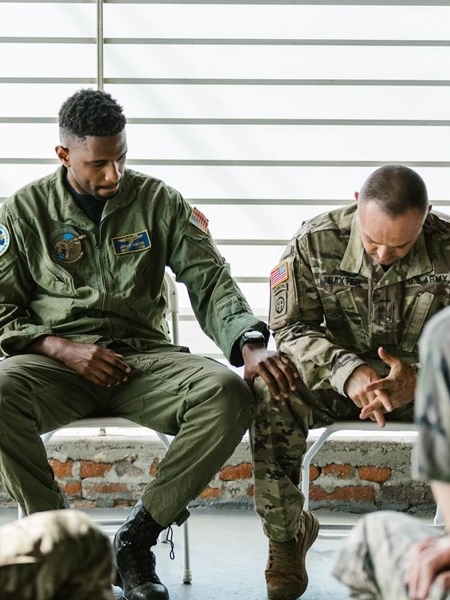
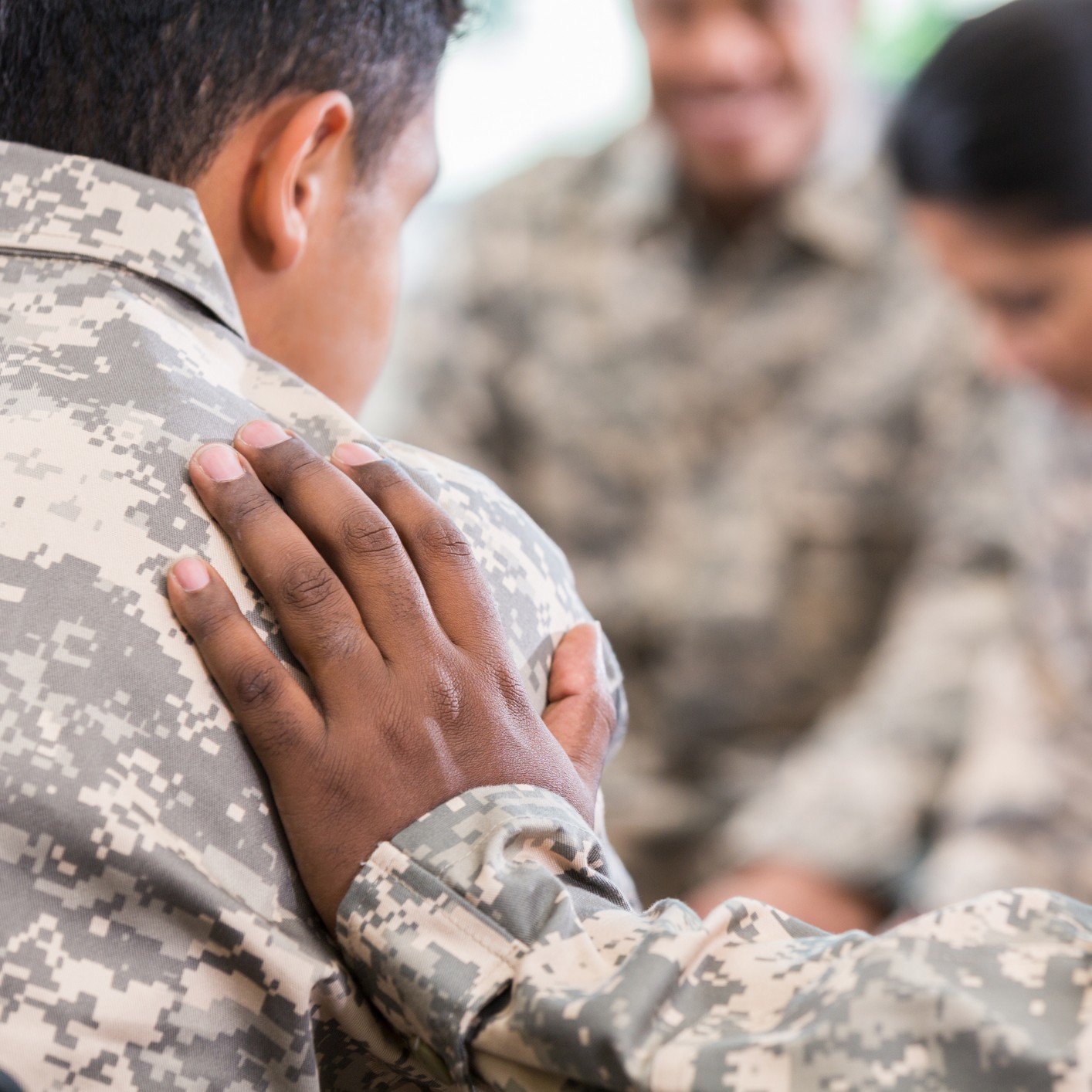
We understand that in order to truly address these issues, we must have oversight on the veteran and avoid passing them around where they become overwhelmed and feel even more isolated. They begin to withdrawal and feel as if they are not understood by friends or family. Their confidence diminishes. We know the power of peer-peer support. It is crucial as veterans speak to each other, frankly, offer tough love and can fast track each other out of the three-year transition period successfully. They trust each other. Through this they can obtain better community relationships, a livelihood and a purpose. Once through this tough time, veterans are national treasures shown to volunteer much more in their communities, run and win more for public office, make more successful entrepreneurs, are excellent employees if the culture is right and are not afraid to take on tough challenges. They lived by a set of ethos like integrity, teamwork, mission focus and lead by example. Instead of drawing from the system, they now add positively to the system. They do not want handouts. They want purpose. We get them there.
How We Do It
Combining community connection, health wellness, career development and shelter through peer-peer interactions and local support ensuring our veterans are not passed around and oversight is achieved. Zulu Time is not your grandpa’s lounge. Dark wood, cigar smoke and bars. It is not a sterile medical or government environment where ‘white coats’ fail to connect with them. It is not an office building with pamphlets lying around. It is hard enough to get veterans out and when they need an escape, they need a comfortable environment where they can lounge around, grab a cup of coffee and even a bed to lay their head on for a few hours. They may use technology centers within designed specifically to connect them with vetted community organizations that do right by veterans. Something they can tangibly touch close by. Not being directed to DC and national organizations where they further retreat. If they want to strike up a conversation with a fellow veteran, there is ample opportunity.
We will have trained veteran peer counselors embedded within when more help may be needed beyond a helpful ear. There are privacy areas for traditional and nontraditional physical and mental health needs. Open areas for yoga, workouts, presentations from industry, government or NGOs wanting to be part of the solution. Since the younger veteran defined as Post-Gulf War or more specifically the 18-34-year old’s cannot relate with organizations of the past, Zulu Time is designed with their needs in mind for the modern era. Getting a veteran to show up is half the battle. Once they do, this will be their sanctuary and as they grow and give back, we build a cycle of veterans helping veterans. This is good for the veteran, their family and the nation.

Differentiators
What Makes Zulu Time Different than the other 42,000 organizations designed to help veterans and their families?
- We understand the challenges veterans face
- Limited or no network
- Employment/access to capital
- Difficulty developing relationships and finding mentors
- The military-civillian-technology cultural divide
- A holistic approach ensuring oversight on the individual, so they do not get passed around and fall through the cracks. Most organizations focus on one piece of the puzzle and studies show issues are interrelated.
- Local level community involvement which aids in developing meaningful relationships.
- Not your grandpas lounge. This center is made for the modern veteran that is non sterile, historic or threatening-a safe and comfortable place for them.
- Understand the gap in the market-the younger veteran. This is our customer. Getting them involved requires different approaches than in the past.
- Peer-peer support absolutely the crux. Vets trust each other. They speak the same language. They can be ‘tough’ with their approach as well as providing direction and purpose.
- Trained veteran councilors within the group setting when discussions go beyond conversation. This gives the councilor purpose and provides another layer of help.
- Bridging the technology human divide through tech center designed for their needs, locally. Vetted local businesses, banks, nonprofits, government, educational centers etc. Who is really doing good for our vets and how do we connect them while monitoring.
- Tech centers capture needs of customers. Data is needed on what they are looking for, what successes are to be found and general demographic information can contribute positively to research.
- Veteran founder driven by the fact that losing veterans is a national tragedy as they have much to contribute.
- Clear understanding as to what the data shows and tying that to individuals. They are not just numbers to us-we see these ‘numbers’ in people every day. We humanize the process.